

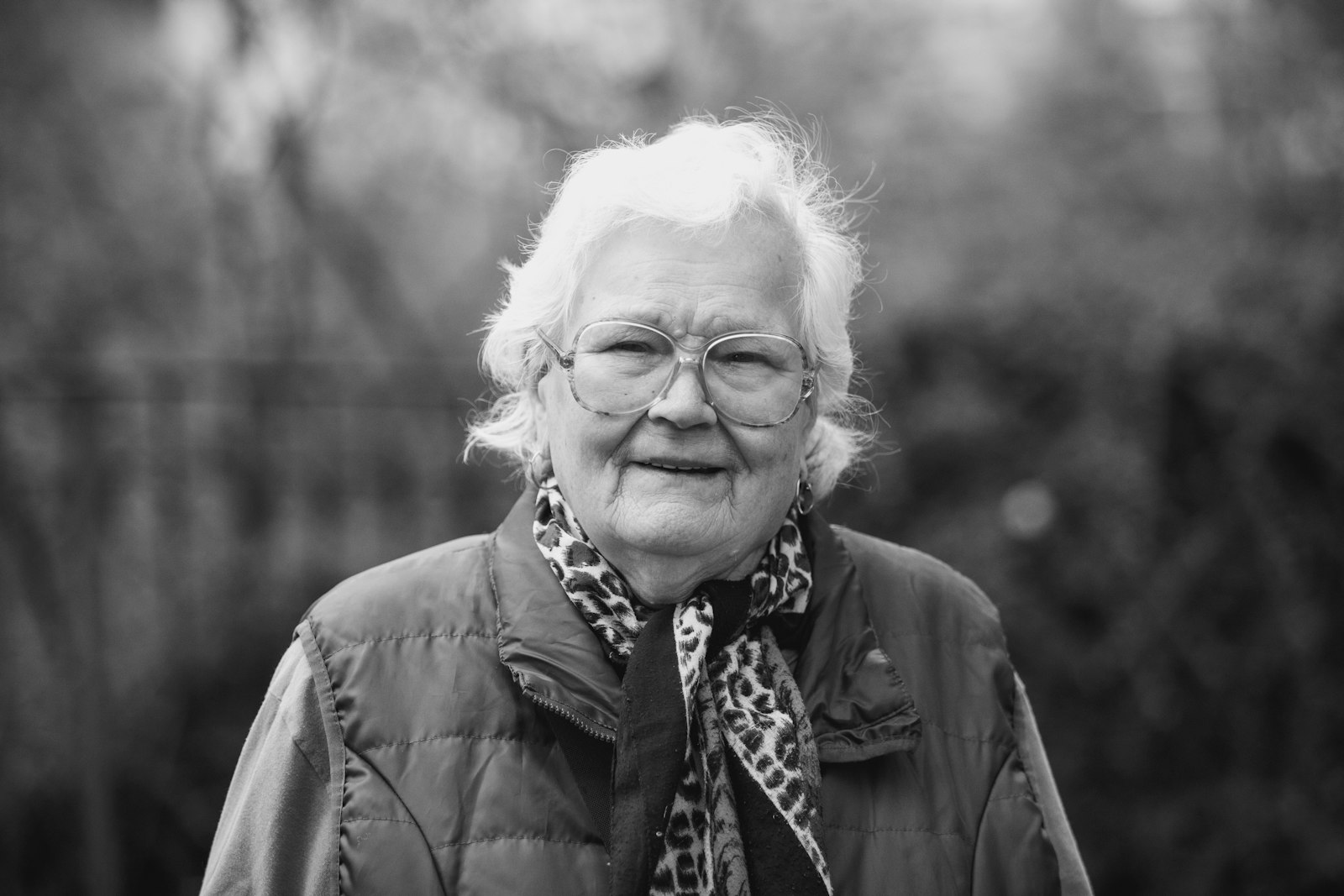
You need a short eulogy for a grandmother — maybe the service has several family members speaking, maybe your family wanted something brief, or maybe anything longer feels impossible to deliver right now. Whatever the reason, a short tribute can honor her every bit as well as a long one. Sometimes better.
This guide walks you through exactly how to do it. You'll see what to include, what to cut, and three full example eulogies you can adapt to your grandmother. The goal is simple: help you write something true in under 500 words, so you can get through it on the day.
Why Short Works for a Grandmother Eulogy
A grandmother's life is long. Trying to summarize eighty or ninety years in a eulogy is a losing game. You'll either end up with a list of facts or a vague tribute that could apply to any grandmother in any family. Neither is what you want.
Here's the thing: short eulogies are not compressed long ones. They're a different shape entirely. Instead of covering a lot of ground shallowly, you pick one image and draw it clearly. That's what the room remembers.
A brief eulogy for grandma also respects the practical reality of a funeral. Other people want to speak. Your own grief is heavy. Two minutes, done well, gives the service room to breathe and gives you a distance you can actually cover.
What to Include in a Short Grandmother Eulogy
For a speech under 500 words, four pieces do most of the work:
- An opening line that captures who she was in one sentence
- One specific memory that shows her character
- One thing she taught you or gave you, said plainly
- A short goodbye
Anything outside those four categories is probably filler. Cut it.
Open With Who She Was, Not When She Lived
Skip her birthdate, her maiden name, her towns of residence. That's obituary material. The room knows the biography. What they came to hear is who she was to the people who loved her.
"My grandmother's kitchen was the busiest room in any house she lived in. If you were in it, she was feeding you. If you weren't in it, you were about to be."
Two sentences. The room already has a picture of her.
Tell One Story
One. Not three. A short eulogy that tells one specific story well beats one that rushes through several. Pick the memory that keeps surfacing when you think about her this week. That's almost always the right one.
The story doesn't have to be dramatic. The Sunday afternoon she let you help roll out pie crust, the way she answered the phone, the drawer where she kept every card you ever sent her — small details land harder than big events.
Name the Lesson Plainly
One sentence. Say what she actually gave you in the words a real person would use. Avoid abstract virtues like "she taught me love." Prefer the concrete: "She taught me that a pot of coffee was always the right answer when someone showed up sad."
Keep the Goodbye Small
Two sentences at the most. "I love you, Grandma. Thank you for everything" is not underwritten — it's exactly right. You don't need a flourish.
Three Short Eulogy Examples
Each example below runs between 250 and 400 words. Any one of them can be delivered in two to three minutes. Use them as templates, not scripts.
Example 1: The Warm Grandmother
"My grandmother had the softest hands of anyone I've ever known. I can still feel them on the side of my face. That was her whole approach to the world. Gentle, on purpose.
She lived in the same small house for fifty-four years. The kitchen table sat six, and somehow there was always room for one more. If you came by at three in the afternoon, she made coffee. If you came by at ten at night, she made coffee. If you'd eaten, she'd already started a plate for you.
She taught me that hospitality is not a big gesture. It's a hundred small ones, every day, for sixty years.
I love you, Grandma. The kitchen's going to be quiet for a long time."
About 140 words. Every sentence tells you something specific about her.
Example 2: The Grandmother with Edges
"My grandma was not a sweet old lady. Let's get that out of the way. She was sharp, she was funny, and she did not suffer fools — including most of her family members at one point or another.
She also loved harder than anyone I've ever met. She just did it on her own terms. When my dad got laid off, she called him every Sunday for a year, not to coddle him, but to tell him he was better than the job he'd lost. That was her version of tenderness.
She taught me that love doesn't have to look soft to be real. Sometimes it looks like someone telling you the truth when you need to hear it.
Goodbye, Grandma. I'll take your honesty with me."
About 150 words. Specific, funny, tender without being saccharine.
Example 3: The Quiet Keeper of the Family
"My grandmother was the quietest force in our family. She did not run the room. She ran the people in it, and most of us didn't notice until it was already done.
She remembered every birthday. She had a drawer full of cards organized by month. She called each grandkid on the first day of the school year, every single year, until we all went to college, and then she mailed cards instead. She never missed.
She taught me that consistency is a form of love. Maybe the hardest form. Showing up the same way, every year, for decades, without being asked.
We love you, Grandma. Thank you for not missing."
About 130 words. Short, clear, and about a very specific woman.
Cutting a Long Draft Down
Most first drafts come in too long. That's normal. The job is editing, not rewriting from scratch.
Go through every sentence and ask one question: is this true only of my grandmother, or could it fit in any grandmother's eulogy? If it's generic, cut it or replace it with a specific detail.
You might be wondering: what if I cut too much? Read the result out loud. If it still sounds like her, you're done. If it starts to sound like a tribute to a general category of person, put one concrete memory back in.
The good news? Cutting is faster than writing. A 900-word draft often shrinks to 400 without losing anything that mattered.
Reading It on the Day
Before the service, read the eulogy out loud three times. Slowly. This tells you where the rhythm is off and lets your body rehearse what's coming, which helps when your hands start shaking.
Print it in large font, double-spaced, on a single page. Bring a backup copy. If your voice breaks, stop, breathe, and keep going. The room will wait. They want you to finish.
If you're genuinely worried you might not get through it, hand a copy to someone nearby before you start. Knowing there's a backup reader often makes it easier to get through it yourself.
You don't have to write this alone.
Answer a few simple questions about your loved one, and we'll craft a personalized eulogy that sounds like it came from you.
Start My Eulogy